

Cinema


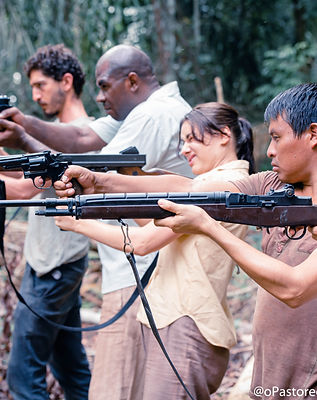


The Pastor and the Revolutionary
"The Shepherd and the Guerrilla" is a Brazilian feature film that takes place in the 1960s - after the beginning of the dictatorship in Brazil - and 1970 and in the last days of 1999, at the turn of the millennium.
Synopsis: In 1968, the young communist João leaves university and goes to fight in the Amazon. He is arrested, tortured and sent to prison in Brasília, where he meets Zaqueu, an evangelical Christian mistakenly arrested. They suffer together, overcome ideological differences, help each other and arrange a meeting for 27 years later, at midnight, at the turn of the millennium, on top of the Brasília TV Tower.
In 1999, an old army colonel commits suicide and leaves part of his inheritance to Juliana, his bastard daughter as a result of his relationship with the house's former maid. Through a book found in the house, she will discover that her late father was the torturer of the two young people in the past and that the scheduled meeting between the two will not take place.
Zacchaeus, already old and marked by the past, lives in conflict with his son, who wants to set up a new church with more mercantilist than Christian aims. Destiny placed Juliana in history and the scheduled meeting will have a different outcome than what was agreed.
The film is produced by Nilson Rodrigues (Mercado Filmes) and is directed by the award-winning José Eduardo Belmonte.
Filming has already started and takes place in the unique landscapes of Tocantins (which mixes the Cerrado and Amazon Forest biomes) and the city of Brasília.
The cast includes the new generation of national cinema (Johnny Massaro, Júlia Dalavia, César Mello, Ana Hartmann, William Costa) and renowned actors and actresses from screen and theater (Cássia Kis, Antônio Grassi, Sérgio Mamberti, Buda Lira, Ricardo Gelli).
In its team, "O Pastor e o Guerrilheiro" also has executive production by Caetano Curi, photography direction by Bárbara Alvarez, art direction by Ana Paula Cardoso, production direction by Larissa Rolin, music by Sascha Kratzer and costumes by Diana Brandon.
José Rezende, Nilson Rodrigues and José Eduardo Belmonte signed the script. The final script is by Josefina Trotta.
Follow the production/recording on social media:

Major Awards and Festivals
Festival do Rio
Festival de Gramado
Festival Brasileiro de Cinema Brasiliense - Mostra Brasília
Rencontres du Cinéma Latino Américain de Pessac
Festival Latino Americano de Trieste
Pan Afrian Film Festival
New York Latino Film Festival
Mostra São Paulo
Amman International Film Festival
Infinitto Brazilian Film Festival


The Other Side of Paradise
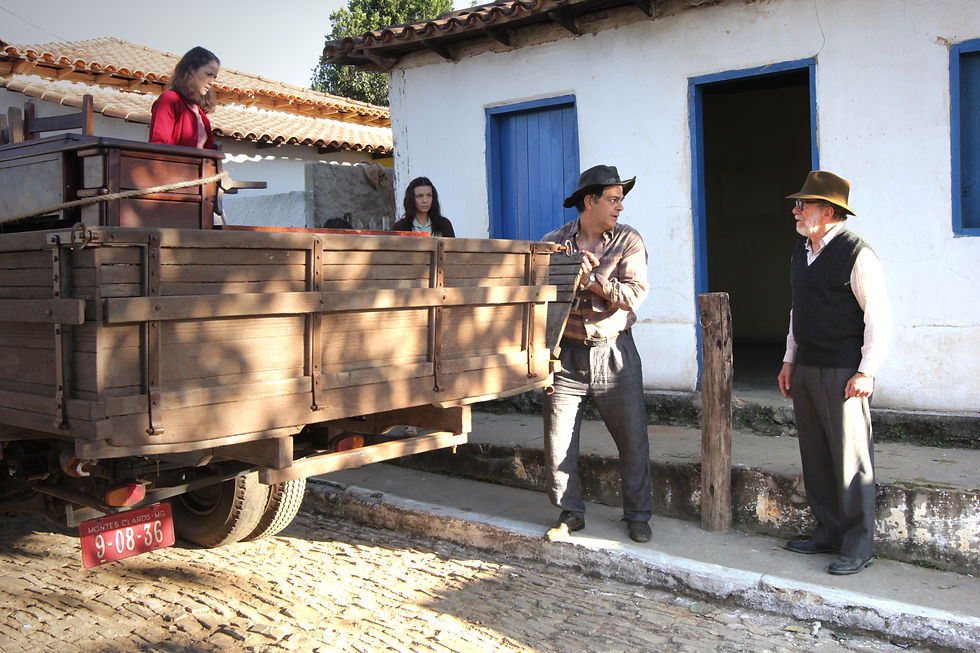
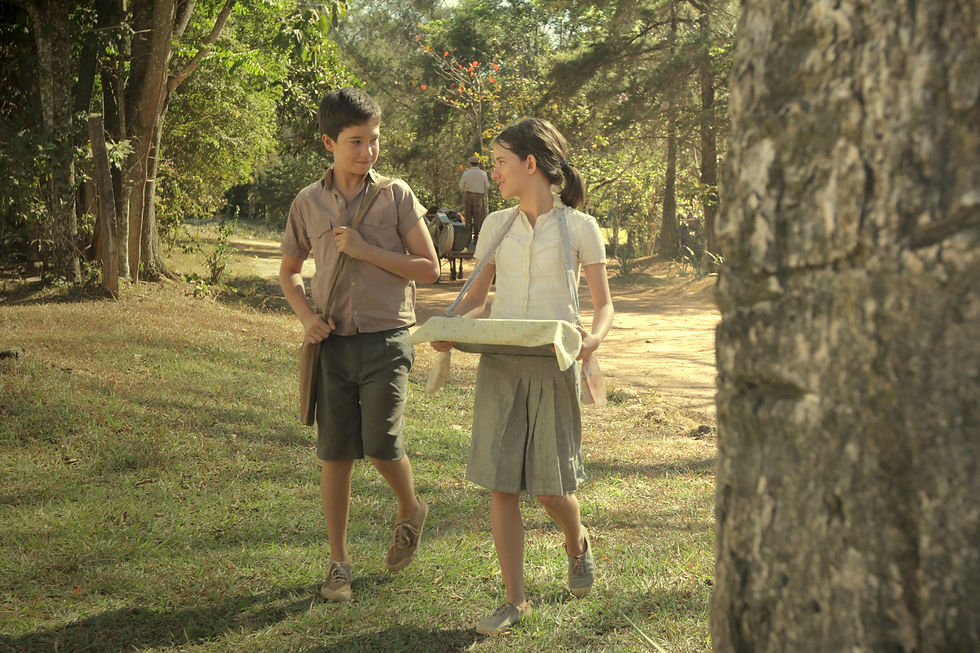
Synopsis: A 12-year-old boy narrates the adventures of his father, a dreamy idealist, in Brazil in the 1960s, who leaves the interior of Minas Gerais for Brasília, recently inaugurated but still under construction.
The desire for professional advancement and to participate in the construction of the new capital takes Antônio, his wife and three children in a truck to the country's capital. Driven by the political unrest of the period and the reforms promised by then-president João Goulart, Antônio comes face to face with political activism and the unrest of the workers. The military coup arrives. Dreams become nightmares overnight. A vibrant chapter in the country's history told from the dreams of a family from the interior of Brazil.
The film contains previously unseen footage of the 1964 Military Coup , which had been kept hidden for decades. Furthermore, "The Other Side of Paradise" marked the return of productions from the Brasília Film Center, after being closed for 12 years.





Major Awards and Festivals
Brasilia Festival - Legislative Chamber trophy
Best Film by Audience Choice
Best Actor (Davi Galdeano)
Best Actress (Simone Iliescu)
Best Screenplay
Gramado Festival
Trieste Latin American Festival
Best Picture
Best Actress (Maju Souza)
Best Film by the Young Popular Jury
Latin American Festival of Catalonia
